Within the Casting Foundry: Where Precision and Craftsmanship Shape
Inside the casting foundry, a blend of precision and craftsmanship governs the metamorphosis of base materials into detailed components. Experienced craftsmen apply their expertise to copyright rigorous quality benchmarks. Cutting-edge methods and modern technologies continually improve the procedure. As manufacturers continue to utilize metal casting solutions, the significance of these advancements transcend simple operational purposes. What possibilities and difficulties exist for this developing sector?
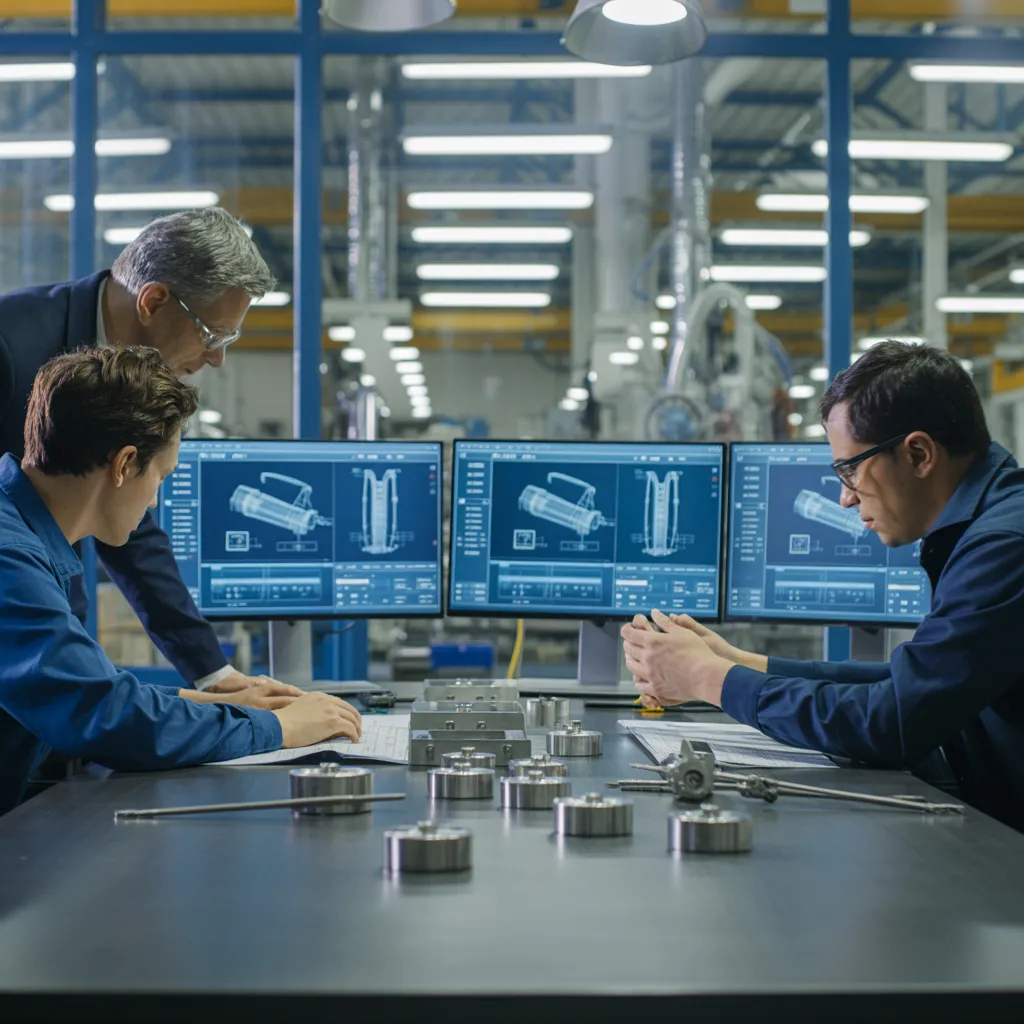
The Core Principles of Casting: A Guide to the Process
Casting transforms unrefined materials into intricate shapes through a carefully controlled method that combines art and science. This technique involves several essential stages, starting with the preparation of a mold that establishes the intended form. Typically made from materials like sand, metal, or ceramic, molds can be classified as permanent or expendable. Once the mold is prepared, molten metal, brought to elevated temperatures, is introduced into the mold. As the metal begins to cool, it solidifies, assuming the shape of the mold.
Once cooled, the casting is extracted from the mold, uncovering the finished piece. This method is versatile, supporting various metals such as iron, aluminum, and bronze, each selected for particular characteristics and purposes. Quality control is essential, ensuring that each casting satisfies strict standards for durability and precision. Grasping these fundamental principles of casting demonstrates the intricate balance between technique and material, necessary for creating high-quality metal components.
The Role of Skilled Artisans in Metal Casting
Expert craftsmen hold a critical position in the metal casting process, blending specialized expertise with artistic vision. Their command and mastery of a range of techniques not only transforms raw materials but also affects the aesthetic and functional characteristics of the castings. This remarkable fusion of artistry and craftsmanship defines the identity of every piece crafted in the foundry.
Artistry in Metal Crafting
In the realm of metal crafting, skilled workers play a central role in transforming raw materials into intricate designs. Such accomplished craftspeople hold a unique blend of technical knowledge and creative vision, enabling them to work with metal in ways that raise everyday objects into artistic achievements. Their proficiency is reflected in the precision of their techniques and the meticulous care given to every piece they produce. By understanding the properties of different metals, artisans can choose the appropriate materials and methods to attain the sought-after outcomes. Such craftsmanship not only improves visual appeal but also ensures durability and functionality. At its core, the expertise of these artisans represents a profound connection between tradition and innovation in the metal casting industry.
Practices of Master Artisans
Harnessing their expertise, metalworkers apply a range of methods to convert metal into elaborate structures. Core to their craft is the accuracy of pattern creation, where artisans painstakingly develop patterns that determine the finished piece. The sand casting process is prevalent, allowing for detailed designs and complex shapes. Moreover, lost-wax molding allows craftsmen to capture intricate features, offering high fidelity in finished pieces. Seasoned metalworkers also apply heat treatment processes to enhance metal properties, securing longevity and toughness. The use of specialized tools, such as carving tools and mallets, additionally perfects the material's finish, showcasing its beauty. Ultimately, these methods demonstrate the craftsmen's commitment to their art, creating works that merge practicality with creative design.
Must-Have Tools for Casting in a Foundry
In a metal foundry, the efficiency and quality of metal casting rely heavily on the critical tools and equipment used. Comprehending the essential casting equipment, together with the importance of safety gear, creates the groundwork for successful foundry operations. This overview will examine the different tools and their functions in foundry casting operations.
Essential Casting Equipment Summary
Casting machinery acts as the backbone of any foundry, enabling the processing of base materials into detailed metallic products. Critical machinery encompasses industrial furnaces, which heat metals to necessary temperatures, and casting molds, which establish the configuration of end products. Sand management systems confirm that the casting molds preserve their structural strength, while pouring systems transport molten metal safely into these molds. Furthermore, cooling systems are crucial for overseeing the solidification stage, shaping the finished qualities of the cast components. Other essential tools encompass pattern fabrication machinery, which creates the initial model for molds, and refining instruments for post-production processing. Collectively, these elements allow foundries to function effectively and deliver premium castings that satisfy industry requirements.
Fundamental Tools Outlined
Numerous essential tools serve a critical function in the foundry casting process. Crucibles are crucial for melting metals, providing consistent heat distribution and desirable material characteristics. Molds, constructed from materials such as sand or metal, form the molten material, delivering accuracy in the finished product. Ladles, built for carrying molten metal, include heat-resistant handles to minimize hazards. Furthermore, pattern-making tools enable the development of precise molds, supporting intricate shapes. Rammers and compactors are indispensable for readying mold materials, boosting durability. Finally, finishing tools, such as grinders and sanders, refine the surface of castings, ensuring quality and aesthetic appeal. Every tool plays a significant part in upholding excellence in the casting process.
The Significance of Safety Gear
Safety gear serves as an essential component in the foundry setting, shielding workers from the inherent risks of the casting process. In this demanding workplace, personal protective equipment such as thermal gloves, protective eyewear, and steel-toed boots is imperative. These protective measures provide a defense against thermal burns, airborne debris, and other dangers that can lead to significant physical harm. Respirators are also necessary to protect against harmful fumes and dust that may be released during the casting process. Moreover, hard hats are indispensable for guarding against head injuries due to overhead hazards. By following rigorous safety guidelines and employing proper equipment, workers can considerably lower their exposure to workplace hazards, ensuring a safer, more efficient foundry operation.
How Quality Control Maintains Precision in Metal Casting
Given the complex nature of metal casting, quality control serves as a fundamental pillar in guaranteeing accuracy throughout the entire process. Each stage, from mold creation to final inspection, incorporates rigorous standards and checkpoints that mitigate defects. The quality control process starts with careful material selection, verifying that alloys satisfy required compositional standards for strength and durability.
In the manufacturing process, temperature and timing are monitored closely, as even small variations can impact the end product. Once casting is complete, components receive comprehensive testing, including dimensional assessments and non-destructive testing, to uncover any defects or inconsistencies.
Feedback systems are implemented, facilitating continuous improvement in techniques and processes. Through cultivating a mindset of responsibility and focus on precision, foundries are positioned to consistently provide superior products that satisfy customer requirements. Ultimately, quality management not only strengthens precision but also reinforces the reputation and reliability of the foundry operation throughout the sector.
New Developments in Casting Technology: Breakthroughs and Emerging Trends
Latest developments in foundry technology have substantially transformed the field, leading to improved operational efficiency and output quality. Techniques such as additive manufacturing and 3D printing are transforming mold production, facilitating faster prototyping and reduced lead times. These innovations enable complex geometries that standard approaches are unable to replicate, expanding design flexibility.
Furthermore, innovations in materials science have driven the development of high-performance alloys that improve durability and resistance to wear and corrosion. Automated systems and smart technologies, including Internet of Things-enabled monitoring solutions, are also gaining traction, supporting real-time quality monitoring and decreasing manual errors.
Sustainability trends are prompting the adoption of eco-friendly practices, such as reusing scrap metal and adopting lower-energy production methods. Combined, these innovations are not only improving operational productivity but also defining new measures for excellence and skill in the casting field, making certain it continues to thrive in a fast-moving and dynamic industry.
How Are Cast Metal Components Used Across Different Industries?
Progress in casting technology has expanded the possibilities for the implementation of cast metal components across various industries. Throughout the automotive industry, these components are essential for producing transmission housings, engine blocks, and other key components, delivering long-lasting durability and superior performance. The aerospace industry relies heavily on precision castings for elements built to survive demanding conditions, such as critical structural elements and turbine blades.
Within the construction industry, cast metal products like fittings and fixtures support both functionality and aesthetics. In the same way, the power industry makes use of castings for piping systems and turbines, which demand superior strength and corrosion resistance. Moreover, the medical industry relies on cast metal components for medical instruments and surgical equipment, underscoring reliability and precision. In summary, the flexibility of cast metal parts illustrates their critical importance in improving safety and performance across various industries and applications, showcasing the importance of advanced casting technology in today's manufacturing landscape.
What's Next for Casting? Trends and Sustainability?
What advancements are defining the future of casting? As industries increasingly prioritize sustainability, innovations in casting processes are coming to light. A significant trend involves the use of 3D printing technology, facilitating more sophisticated designs while limiting material waste. Additionally, environmentally conscious materials, such as biodegradable binders, are growing in prominence, minimizing the environmental effects of traditional casting processes.
A further key development is the incorporation of automation and artificial intelligence. These innovations improve accuracy and productivity, streamlining production and reducing energy consumption. Additionally, industry leaders are examining the recycling of metals, advancing a circular economy model across the sector.
Finally, regulatory pressures are pushing companies to adopt reference greener practices. The merging of innovation and environmental responsibility is reshaping the casting industry, making certain that emerging practices not only fulfill industry needs but also correspond with worldwide sustainability targets. As these advancements unfold, the casting industry stands ready for a more conscientious and streamlined future.
Frequently Asked Questions
What Are the Most Common Materials Used in Casting Processes?
Frequently used materials in casting processes consist of metals like bronze, iron, and aluminum, in addition to non-metals such as ceramic and plastic materials. Each of these materials delivers unique properties suited for a wide range of applications and manufacturing needs.
How Long Does the Casting Process Typically Take?
The casting process typically takes from a few hours up to several days, subject to how complex the design is, the type of materials utilized, and the cooling time required for the final product to solidify.
What Safety Protocols Are Used in a Foundry?
Within a foundry, safety measures include personal protective equipment, ventilation setups, crisis management protocols, consistent safety instruction, and rigorous compliance with handling procedures for hazardous materials, maintaining a secure setting for all workers involved in the casting operation.
Can Casting Be Done on a Small Scale?
Indeed, casting is possible on a small scale. Countless hobbyists and small operations employ techniques like sand casting along with investment casting, making possible highly detailed and accurate creations without the need for large industrial setups.
How Do Environmental Regulations Impact Casting Operations?
Environmental compliance requirements significantly impact foundry operations by requiring compliance with pollution emission guidelines, waste management practices, and resource conservation measures. These compliance standards frequently elevate operating expenditures but promote eco-friendly operations throughout the field, yielding benefits for both ecological systems and community well-being.