Within a Casting Foundry: The Soul of Metal Manufacturing
Within a foundry operation, processes unfold that are essential to the manufacturing of metals. Industrial furnaces convert alloys into molten states, while skilled laborers oversee intricate molds. Automated systems serve a critical function, enhancing efficiency and sustainability. However, the sector faces significant hurdles that could shape its trajectory ahead. Examining these factors exposes more than standard output metrics; it highlights a complex interplay of tradition and innovation. What the future holds for this fundamental industry?
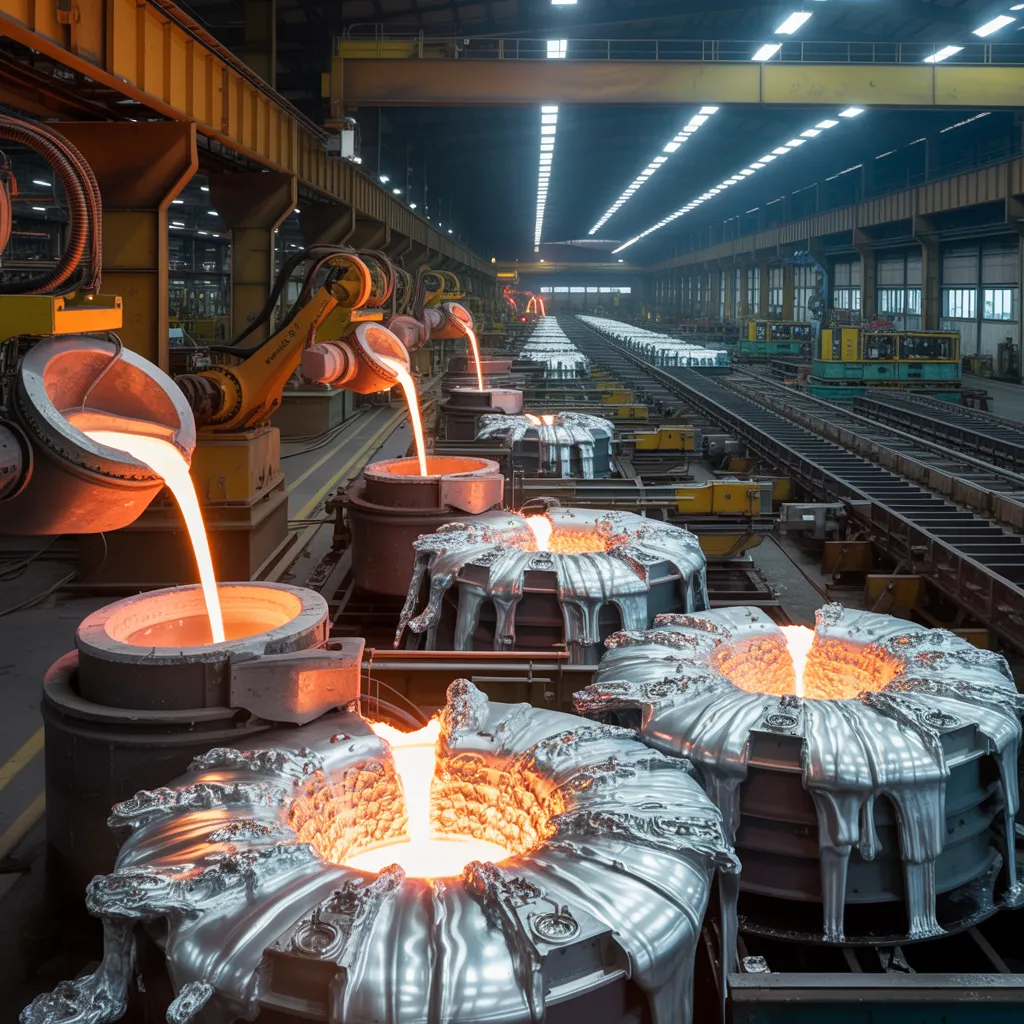
The Fundamentals of Metal Casting
Metal casting acts as a fundamental process in modern manufacturing, converting liquid metal into solid shapes. This method has been used for centuries, enabling artisans and manufacturers to produce components with complex shapes and accurate dimensions. The technique commences with identifying suitable metal alloys, which are subsequently melted at elevated temperatures.
When molten, the metal is poured into molds built to define the final product. These molds get details on this can be produced using various materials, including metal, sand, and ceramic, depending on the necessary specifications and manufacturing volume.
After the metal cools and solidifies, the mold is stripped away, exposing the cast object. This process delivers significant advantages, such as decreased material waste and the capability to create complex geometries that would be difficult to accomplish through conventional manufacturing processes. Comprehending these core concepts is essential for appreciating the significance of metal casting in modern industry.
Essential Processes in Metal Casting: Melting, Molding, and Refinement
The journey of metal casting unfolds through three essential stages: melting, shaping, and refinement. At the outset, metal is placed in a furnace and heated until it becomes fully molten, enabling easier shaping and handling. The melting process is a critical step, as it defines the overall quality of the finished piece.
After this process, the liquid metal is directed into molds, which shape it into specific forms. The choice of molding material—whether ceramic, sand, or metal—influences the casting's surface quality and dimensional accuracy.
Finally, the refinement process includes allowing the cast metal to cool and solidify, accompanied by procedures including polishing, heat treatment, or machining to improve its mechanical characteristics. This phase ensures that the final product meets strict quality standards and precise specifications. Each of these processes is essential, playing a role in the overall performance and success of metal casting, culminating in premium-grade components across multiple industries.
Advancements in the Modern Foundry Industry
As the foundry industry evolves, new developments are transforming conventional methods, improving productivity and environmental responsibility. Developments in modern technology, including 3D printing, are transforming the mold manufacturing process, allowing for complex designs and reduced lead times. This method not only minimizes waste but also enables customization, fulfilling unique customer needs more efficiently.
Moreover, the integration of automated robotics systems streamlines production processes, enhancing productivity and decreasing the likelihood of human error. Intelligent manufacturing systems, including IoT sensors, deliver real-time analytical insights, facilitating exact operational tracking and proactive predictive maintenance.
In addition, sustainable methods and materials are gaining traction, minimizing the environmental impact of the casting process. The use of reclaimed metals and energy-efficient smelting systems highlights a shift towards greener methods, contributing to international sustainability targets. These developments combined help shape a more forward-thinking and conscientious foundry industry, prepared to meet upcoming demands while fulfilling the changing demands of the industry.
What Obstacles Do Casting Foundries Encounter?
What difficulties do casting foundries experience in an rapidly developing industry? One significant challenge is the volatility of raw material prices, which can severely impact production budgets. Moreover, environmental regulations are becoming increasingly stringent, forcing foundries to implement cleaner technologies to minimize environmental impact. This transition demands significant capital investment, which can create financial pressure for smaller businesses.
Additionally, competition from overseas manufacturers often leads to cost pressures, making it difficult for home-based foundries to sustain profit margins. Such operations also face challenges in keeping pace with quickly evolving technological innovations, such as digital transformation and automation, which necessitate ongoing training and investment.
Additionally, disruptions within the supply chain, exacerbated by global events, present an ongoing risk, impacting the prompt delivery of parts and raw materials. Collectively, these challenges require foundries to remain adaptable and forward-thinking to excel within a demanding market landscape.
The Role of Skilled Labor in Casting Foundries
Although automation and technology persistently transform the manufacturing landscape, skilled workers continue to serve as a foundation in foundry operations. The complex character of the casting process requires a depth of knowledge that technology alone cannot reproduce. Trained personnel hold the knowledge to interpret complex designs, choose suitable alloys and compounds, and resolve challenges that emerge during the production cycle. Their real-world knowledge is indispensable for ensuring quality control and precision, particularly in high-stakes projects that call for strict tolerances.
Furthermore, experienced labor plays a crucial role in maintaining and optimizing machinery, ensuring that production runs smoothly and efficiently. As casting processes evolve, these laborers are also entrusted with updating and enhancing procedures, incorporating modern technologies while preserving classical craftsmanship. Across this progressive field, the partnership between qualified labor and technological innovation is fundamental for preserving the excellence and consistency that distinguish reputable casting foundries.
Emerging Trends in Casting: What Does the Future Hold for the Industry?
Emerging trends in the casting field are ready to redefine its direction, fueled by advancements in technology and evolving market demands. AI and automation are progressively optimizing production processes, enhancing precision and minimizing workforce costs. Additionally, the adoption of 3D printing technology is transforming mold manufacturing, facilitating greater design complexity and reduced lead times.
Sustainability is emerging as a key priority as organizations work to lessen their ecological footprint. This involves incorporating recycled materials and implementing energy-efficient methods in foundries. Moreover, the demand for lightweight materials, particularly in the automotive and aerospace sectors, is pushing innovations in alloy development.
The field is equally observing a movement in the direction of digital transformation, as IoT technologies facilitate live monitoring and proactive maintenance. As these trends converge, the casting sector is expected to undergo significant transformations, positioning itself to meet the demands of an evolving worldwide environment.
Frequently Asked Questions
Which Types of Metals Are Most Frequently Cast in Foundries?
Frequently cast metals in foundries consist of aluminum, iron, steel, bronze, and brass. Every metal carries distinct characteristics, rendering them ideal for a wide range of applications, ranging from automotive parts to ornamental pieces, showcasing the flexibility of casting techniques.
How Does Metal Casting Affect the Environment?
Metal casting operations impacts the environment through energy consumption, waste generation, and emissions. Such operations may result in both air and water contamination, while also demanding substantial resources, prompting the need for sustainable practices and technologies in the sector.
What Safety Measures Are in Place for Foundry Workers?
Foundries implement a range of safety precautions, including safety equipment, air circulation systems, regular training sessions, and careful observance of established safety standards. Such protocols serve to limit potential dangers and provide a safe working environment for all employees.
How Are Casting Flaws Detected and Addressed?
Defects in castings are recognized through visual inspections, dimensional checks, and non-destructive testing methods. Remediation includes modifying procedures, fixing flaws, or repeating the casting process as needed to ensure quality and compliance with specifications.
What Is the Typical Production Timeline for a Casting?
A typical production timeline for a casting involves a number of stages: pattern creation, pouring, mold making, finishing, and cooling. This process usually spans from a few days to several weeks, based on complexity and production volume.